Self-healing, super-sticky: the AI-designed hydrogel that works underwater
A newly developed hydrogel can heal itself after damage and stick firmly underwater, thanks to an AI-driven design process from Japanese researchers.
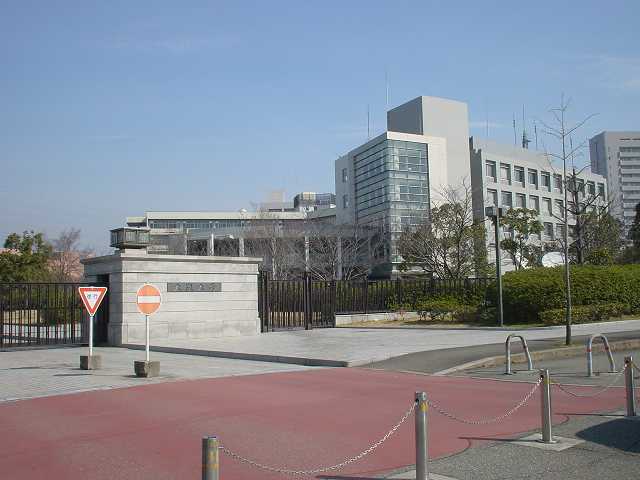
A material that clings firmly to wet surfaces, repairs itself after damage and stays flexible under demanding conditions has moved closer to reality, thanks to researchers in Japan who used artificial intelligence to design a new super-adhesive hydrogel.
Scientists at Osaka University and collaborating institutions combined machine learning, data mining and high-throughput laboratory experiments to identify the ideal chemical composition for a hydrogel that is both highly adhesive and durable — two properties that are notoriously difficult to achieve together. Instead of testing thousands of combinations by hand, the AI model analysed large datasets to predict the most promising molecular structures, which were then synthesised and validated in the lab.
The research, published in Nature under the title ‘Data-driven de novo design of super-adhesive hydrogels,’ reports an underwater adhesive strength exceeding 1 MPa, alongside high mechanical toughness, elasticity and the ability to heal itself rapidly and repeatably after damage.
The researchers say the breakthrough could pave the way for safer medical adhesives, soft robotic components, wearable electronics and underwater repair technologies, underscoring how AI-assisted discovery is beginning to transform materials science.

Leave a Reply