MG’s Windsor EV shows the way: Battery-as-a-Service now drives 12-15% of its India sales
JSW MG Motor India says Battery-as-a-Service now accounts for 12-15% of its EV sales, as more Indian carmakers adopt the financing model to lower upfront prices.
JSW MG Motor India, which introduced Battery-as-a-Service (BaaS) with the Windsor EV in 2024, says the model has gained real traction with buyers. ‘Today, around 12-15% of our overall EV sales come through BaaS, which is available across our MG EV portfolio,’ managing director Anurag Mehrotra said.
According to Mehrotra, the model lowers the upfront cost of an EV by separating the battery from the vehicle purchase. He said an internal combustion engine car typically costs around Rs 8 per km to run, assuming petrol priced at Rs 100 a litre and fuel efficiency of 12 kmpl. Under MG’s Windsor BaaS model, customers instead pay about Rs 4 per km for battery usage and roughly Rs 1 per km for charging, taking total running cost to around Rs 5 per km.
‘For customers driving 60 km a day, the monthly saving can be over Rs 5,500. Over five-to-eight years, these savings can add up to Rs 3-5 lakh,’ Mehrotra said.
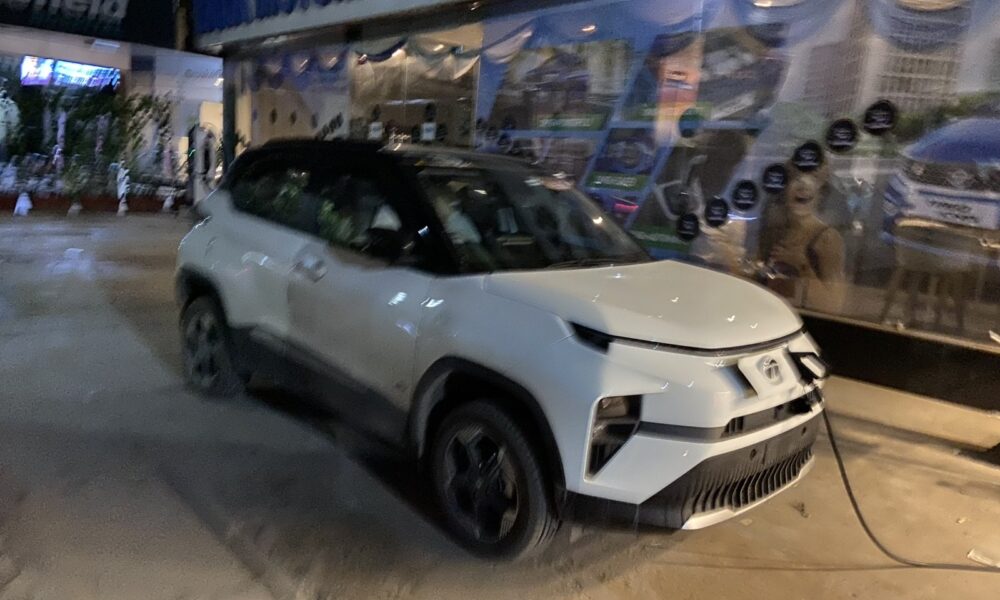
MG’s numbers reflect a broader trend across India’s EV market, where BaaS financing is turning into a powerful sales tool. A Tata Punch EV priced at Rs 9.7 lakh can be driven home for Rs 6.5 lakh under a battery financing plan, Hyundai’s Creta Electric falls from Rs 18 lakh to Rs 11 lakh, and Maruti’s Grand Vitara EV becomes cheaper by almost Rs 8 lakh upfront.
Current BaaS plans across the market charge between roughly Rs 2.3 and Rs 5 per km depending on the model, and several carry minimum monthly billing clauses — Citroen’s eC3X requires payment for at least 2,000 km a month, while Maruti Suzuki’s e Vitara has a disclosed minimum of 1,800 km a month.
Tata Motors, for its part, describes BaaS as ‘primarily a financing tool, not a mobility service’ that lowers upfront acquisition cost, while adding that it still sees most customers preferring outright ownership of their EVs over time.


Leave a Reply