Roads, habitat loss and poison: the different threats facing mountain lions and bobcats
Mountain lions and bobcats face distinct conservation challenges, from habitat fragmentation to rodenticide exposure.
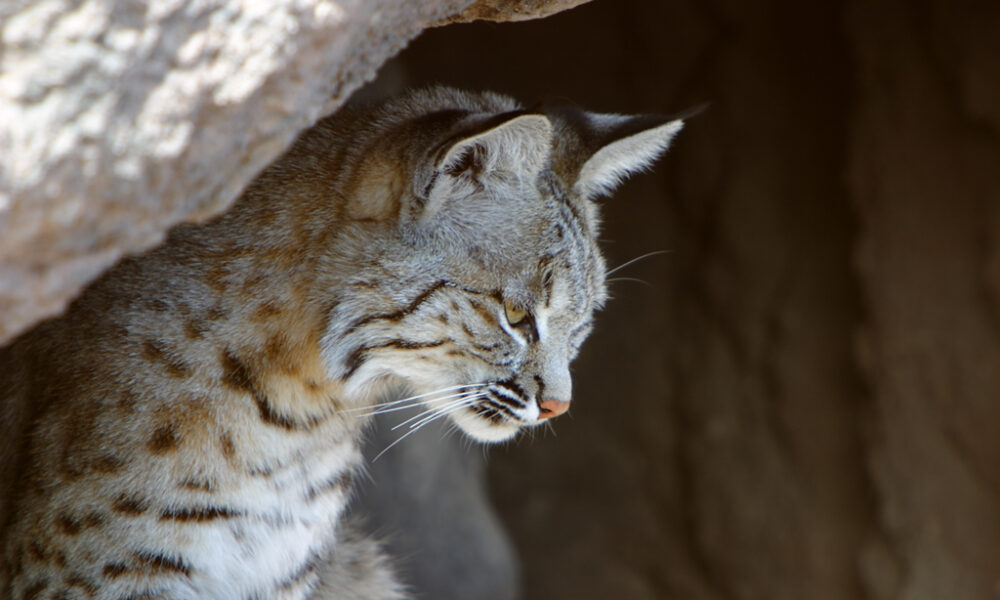
Mountain lions and bobcats remain among North America’s most successful native carnivores, but each faces a different set of pressures that threaten their long-term survival.
Mountain lions have lost parts of their historical range as human settlement has expanded, with roads, housing developments and fragmented habitats isolating populations from one another. Conflicts sometimes arise where livestock and predators occupy the same landscapes, leading to retaliatory killings in some regions.
Bobcats face different challenges. Hunting remains a concern in certain areas, particularly where management data are limited, while exposure to poisons used against rodents has become an increasingly serious issue — toxic substances can move through food chains and affect predators like bobcats indirectly, even when the animals themselves are never targeted.
Despite the differing threats, both species have proven remarkably adaptable. Mountain lions range from western Canada deep into South America across deserts, forests, grasslands and swamps, while bobcats persist across much of the United States, southern Canada and parts of Mexico — including, increasingly, the edges of suburban neighbourhoods where camera traps regularly catch them moving through at night.



Leave a Reply