The Colorado River supplies 40 million people, and it’s running out of slack
Decades of overallocation and rising temperatures have steadily reduced the Colorado River's flow, prompting new operating rules for its reservoirs.
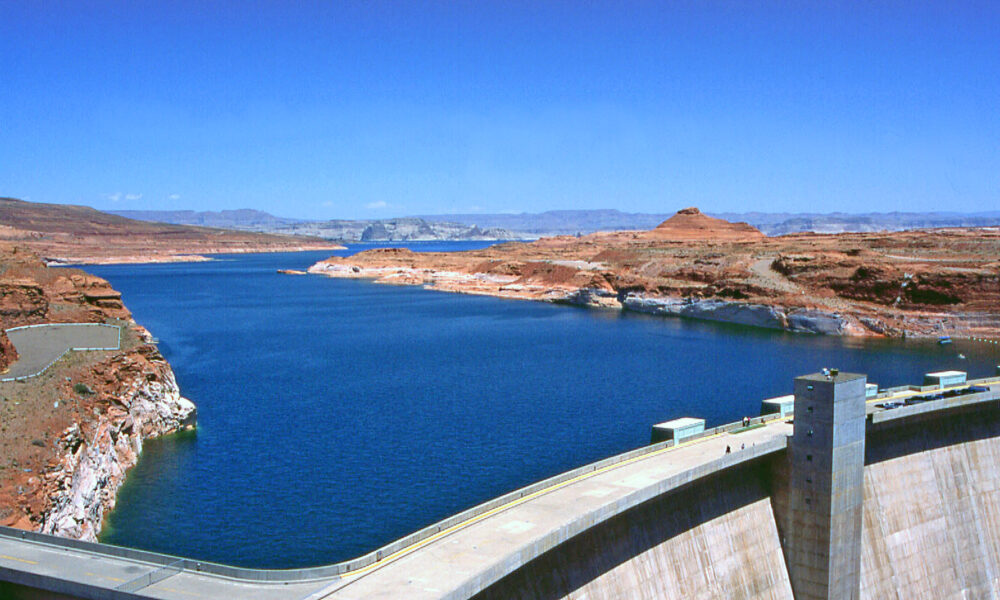
The Colorado River supplies water to about 40 million people, irrigates millions of acres of farmland, supports tribal communities, and generates hydroelectric power across seven US states and Mexico. Yet decades of overallocation, combined with rising temperatures, declining snowpack and increasing evaporation, have steadily reduced the amount of water flowing through the basin.
The U.S. Bureau of Reclamation is currently developing new operating rules for Lake Powell and Lake Mead beyond 2026, acknowledging that prolonged drought and climate change require more resilient management strategies for the river system.
Part of that debate centres on a proposal called “Fill Mead First,” which would consolidate most of the river’s stored water in Lake Mead, even if that means allowing Lake Powell to shrink dramatically or eventually disappear. Supporters argue maintaining two partially filled reservoirs wastes water through evaporation and seepage, while critics, including Arizona Department of Water Resources Director Tom Buschatzke, warn that eliminating Lake Powell would remove an important buffer built up during wet years.
Whether future plans include major changes to Lake Powell or retain the current two-reservoir system, water experts agree that reducing overall demand will remain essential for the river’s long-term future — a debate that is less about one lake than about how the American West adapts to a river carrying significantly less water than when today’s infrastructure was built.



Leave a Reply