20 beavers were released in Patagonia in 1946. Decades later, there are tens of thousands
Argentina's 1946 introduction of 20 Canadian beavers to build a fur industry instead triggered one of South America's most dramatic biological invasions.
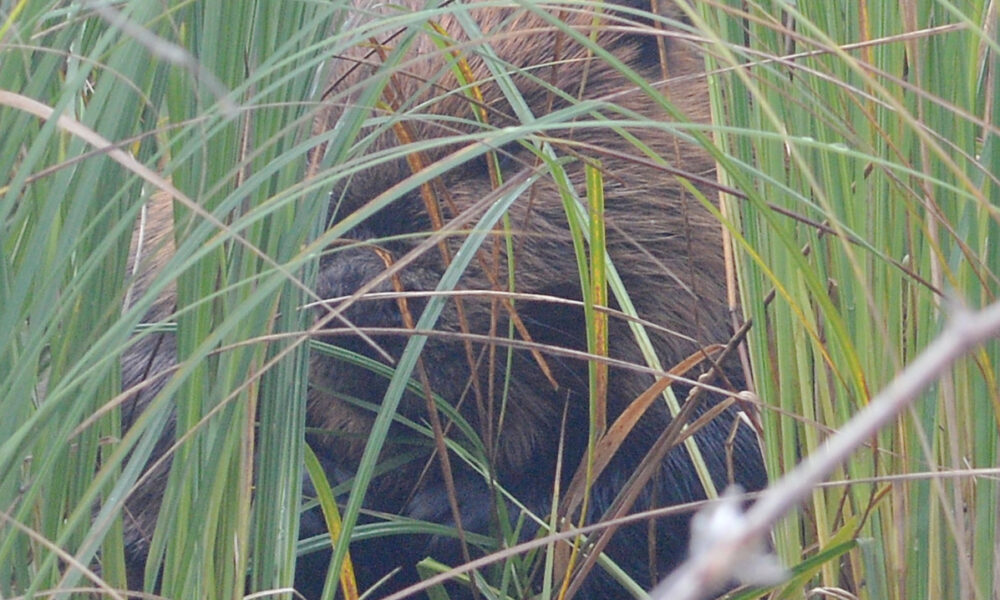
In 1946, Argentine authorities introduced 20 North American beavers from northern Manitoba, Canada, to the forests of Tierra del Fuego in southern Patagonia, intending to establish a thriving fur industry that could support the local economy. Instead, the introduction sparked one of the most dramatic biological invasions ever documented in South America.
The beavers, with abundant food, suitable habitat, and no natural predators, multiplied rapidly over the following decades. Scientists now estimate the population numbers in the tens of thousands, spreading across both Argentina and its neighbour, Chile. Researchers say the animals have built thousands of dams, flooded native forests, and transformed entire river valleys, creating ecological changes that are difficult and, in some cases, impossible to reverse.
For years, accounts differed on exactly how many animals were originally released. In 2014, historical analysis by researchers Alejandro G. Pietrek and Laura Fasola, in their article Origin and history of the beaver introduction in South America, examined archival records and concluded the introduction occurred in a single release event involving 20 beavers imported from northern Manitoba, correcting earlier claims that suggested 25 pairs or even 50 beavers were introduced. The entire Patagonian population descended from this small founding group is now considered a remarkable example of how even a limited number of non-native animals can establish a thriving population under favourable conditions.
In their native North America, beaver populations are naturally regulated by wolves, bears and cougars, while native forests have evolved alongside the animals for thousands of years. Patagonia offered a very different environment: abundant streams and vast stands of native Nothofagus trees, but very few predators to control the beaver population, and trees poorly adapted to repeated flooding and felling.



Leave a Reply