She survived two brain-adjacent surgeries, 5,300 years before antibiotics existed
An elderly Neolithic woman in Spain survived two separate ear surgeries near her brain, performed with flint tools thousands of years before antibiotics or anaesthesia.
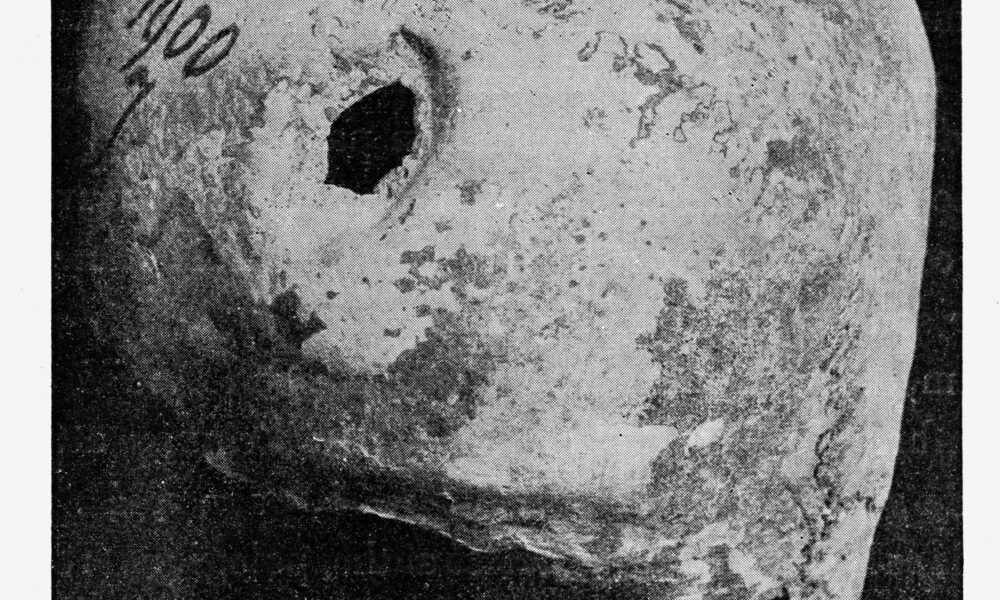
An elderly woman buried in a Neolithic tomb in northern Spain survived not one but two complex ear surgeries, performed thousands of years before antibiotics, anaesthesia or metal surgical instruments existed.
The skull, unearthed in 2018 from the Dolmen of El Pendón near Reinoso in Spain’s Burgos province, showed two carefully made openings behind the woman’s ears, one on each side, likely performed months or years apart. Researchers believe she suffered from mastoiditis, an infection of the mastoid bone that can spread to the brain and cause meningitis, blood clots or death if untreated.
The most convincing evidence of survival came from the skull itself: new bone had formed around both surgical openings, proving she lived for at least several weeks after each operation, and likely much longer. Without this bone regeneration, archaeologists might have dismissed the openings as post-death damage rather than evidence of surgery.
The prehistoric surgeon used sharpened flint tools rather than modern instruments, gradually scraping and drilling through the mastoid bone with slow, circular movements. Microscopic analysis of the skull revealed cut marks consistent with stone tools, and researchers recovered a flint blade from the burial site that had been repeatedly heated to around 350 degrees Celsius, possibly to sterilise it or cauterise tissue during the procedure.
Image: Wikimedia Commons



Leave a Reply