Spain is testing roads that could cut emissions by 75%: what’s inside them
Barcelona is piloting an asphalt mixture made with biochar from olive pits that traps carbon inside city streets.
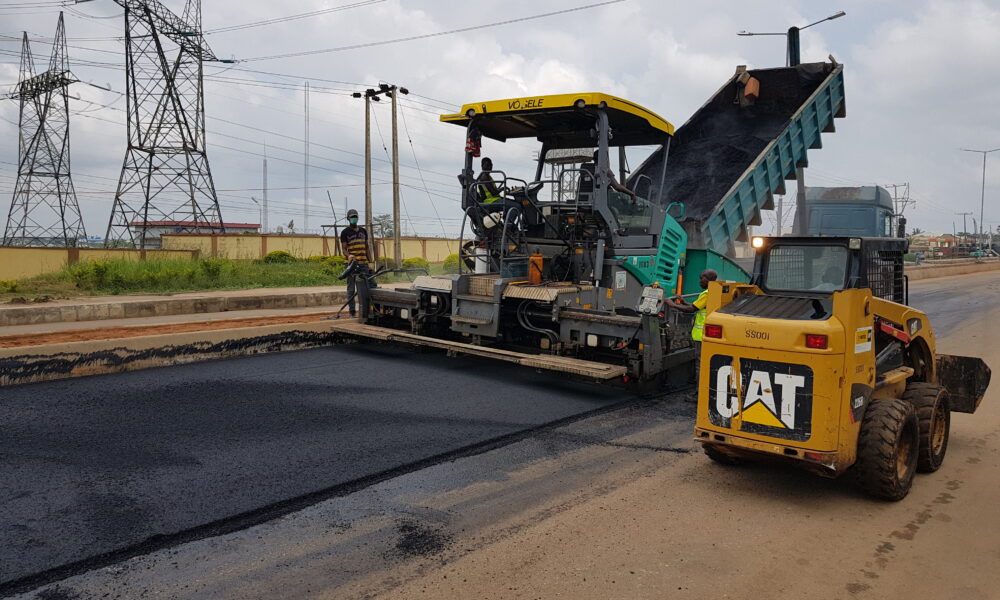
A quiet pilot project in Barcelona is asking whether the millions of olive pits Spain discards each year could help fix one of urban infrastructure’s more overlooked emissions problems: the carbon cost of paving roads.
The city’s ’21st Century Street Section’ challenge set out to find ways of cutting emissions from road and pavement rebuilding, and the answer that emerged involves swapping the mineral filler in standard asphalt for biochar made from olive pits and pine residues. According to the Advanced Carbons Council, the mixture is already laid down on a public street, where engineers are tracking how it performs under real traffic and weather.
Getting there starts with pyrolysis, heating the discarded olive pits without oxygen until they become a carbon-rich solid. That step matters because it keeps carbon the olive trees once absorbed locked inside the material, rather than releasing it back into the atmosphere the way decomposition or burning normally would.
The council reports the approach could cut the carbon footprint of asphalt paving by around 75 per cent compared with conventional materials, and says early data from the pilot points to reductions in that same range. The test site itself covers about 2,000 square metres on Carrer Cerdà in the Eixample district, built by construction firms AMSA and ELSAN with the Polytechnic University of Catalonia, and now being assessed by construction group Sorigué for cracking resistance and overall durability.
Spain’s position as the world’s largest olive oil producer means there is no shortage of raw material behind the idea — every harvest season leaves behind large volumes of pits that are usually treated as waste. Researchers have also tested the same biochar in concrete, where it has shown potential to lower emissions and improve resistance to water penetration.
Whether Barcelona’s pilot becomes standard practice will depend on questions beyond the lab: whether biochar can be supplied consistently, whether it fits existing municipal procurement, and whether roads built with it need different upkeep than conventional asphalt — the kind of practical detail that usually decides if an innovation stays a one-off experiment or spreads citywide.
Wikimedia Commons/by Sammya Nig Ltd



Leave a Reply