The blood drives and 200,000 trees behind India’s Chiripal Group
Chiripal Group runs an annual blood donation drive of over 5,000 units and has planted 200,000 trees around Ahmedabad alongside its industrial operations.
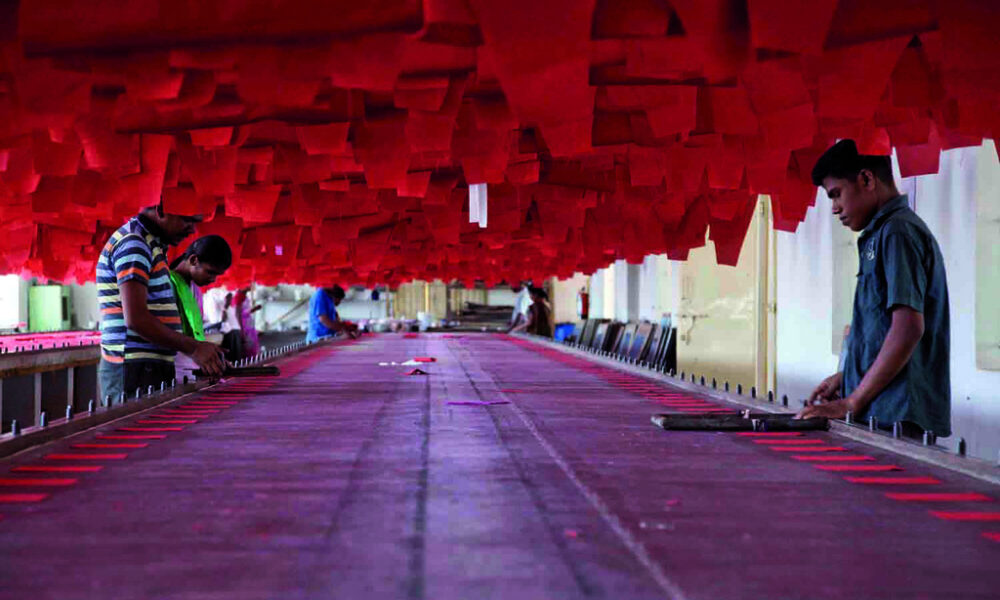
Chiripal Group, the Ahmedabad-based conglomerate that grew out of a 12-power-loom textile unit Vedprakash Chiripal started in 1972, runs a set of community programmes that have continued alongside its industrial expansion. The Group’s annual blood donation drive collects over 5,000 units of blood each year and has facilitated the donation of 50,000 units in total over the years, contributing to healthcare systems and emergency medical care.
Through the Chiripal Mirchi Green Yodha initiative, the Group has planted 200,000 trees, strengthening Ahmedabad’s green cover and promoting environmental awareness among local citizens. For close to three decades, Chiripal has also organised food donation and health camps at Dakor, a tradition that now serves about 7 lakh devotees every year.
The Group’s approach to education and skill development follows a similar pattern. Through the Shanti Polytechnic Foundation, 3,000 young men and women from rural communities have received vocational training, helping them build sustainable livelihoods. It has also supported sports development through initiatives such as the Cricket Premier League, aimed at nurturing emerging cricketers from Gujarat.
These programmes sit alongside a business that has expanded well beyond its textile roots. Chiripal Group today reports revenues exceeding ₹15,000 crore, employs over 20,000 people, exports to more than 52 countries, and operates manufacturing facilities across Gujarat, Rajasthan, Madhya Pradesh, Telangana and Jammu, spanning textiles, packaging, speciality chemicals, infrastructure and renewable energy.
Vedprakash Chiripal has described the Group’s growth as being built on integrity, quality and perseverance, with its social initiatives treated as an extension of that same philosophy rather than as separate, peripheral activities.
Image: Wikimedia Commons/by Fabrics for Freedom



Leave a Reply