Right next to a metro line: IIM Kozhikode’s new Kochi campus opens its doors
A new IIM Kozhikode campus built beside the Cochin University metro station in Kalamassery opened on Saturday with capacity for over 600 students.
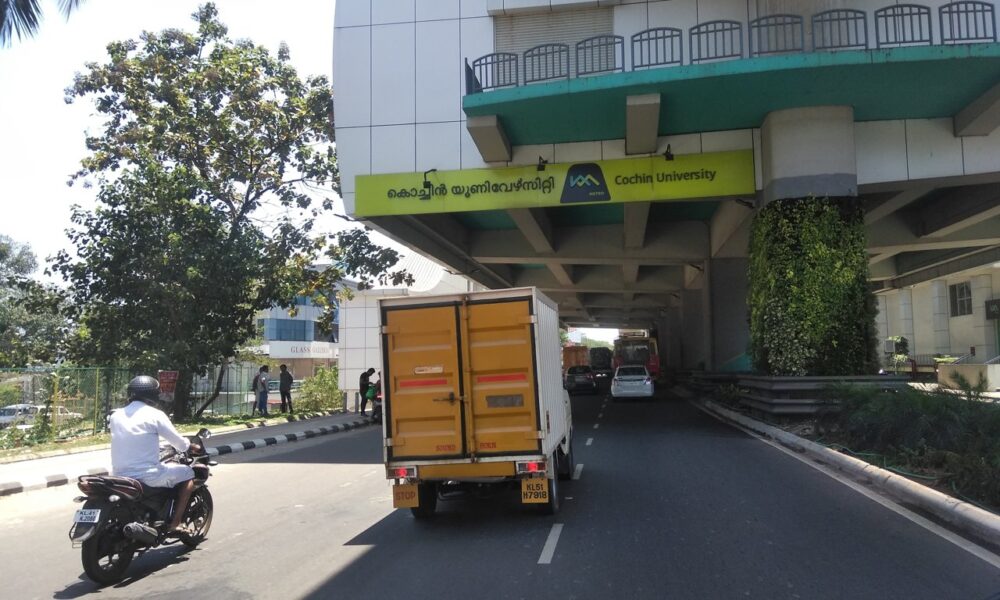
Commuters passing the Cochin University (Cusat) Metro Station on NH 66 in Kalamassery now have a new landmark next door: a six-storey, 40,000 sq ft campus belonging to IIM Kozhikode (IIM-K), inaugurated on Saturday. The building was developed by Kochi Metro Rail Limited (KMRL), placing it directly alongside the transit line.
The structure is built from glass and pre-engineered steel, and IIM-K officials say the layout was designed to support both regular management education and executive learning tracks, with space set aside for academic programmes to grow in the years ahead.
IIM-K director Debashis Chatterjee inaugurated the campus in the presence of KMRL managing director Loknath Behera. Classrooms at the site can hold upward of 600 students at once, and its multipurpose halls have been built to function as extra learning space when classes need it.
For now, two programmes will be taught at the Kochi campus: the bachelor of management studies (BMS) and the executive post graduate programme (EPGP). IIM-K says more offerings are planned, including additional executive education courses, specialised programmes, management development programmes, international collaborations and digitally enabled learning formats.
Chatterjee described the site as ‘an urban learning centre’ that ‘represents far more than a new campus,’ framing it as part of a broader push to make management education ‘more connected, accessible and future-ready.’ He pointed to Kochi’s mix of industry, innovation and global connectivity as the reason the city was chosen for this stage of IIM-K’s expansion.
The opening comes as IIM-K marks thirty years since it was established, with Chatterjee calling the new campus the foundation for ‘a new generation of hybrid, technology-enabled learning’ alongside deeper ties to industry and the academic community.
[Wikimedia Commons/by Gnoeee]

Leave a Reply