37th US president’s final speech carried a lesson bigger than politics
On 9 August 1974, a day after resigning as the 37th US president, Richard Nixon's farewell speech centred on a lesson about handling hatred rather than politics.
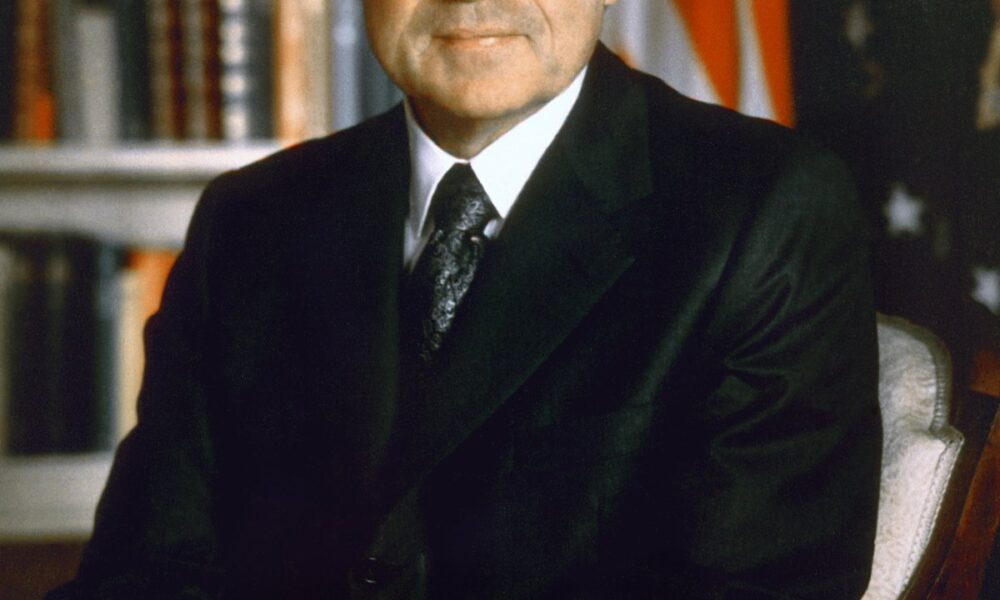
Richard Nixon served as the 37th president of the United States from 1969 to 1974, and on 8 August 1974 he announced his resignation amid the Watergate scandal — the only US president ever to leave office that way. The following day, in a farewell address to his White House staff, Nixon set aside the political controversies of his presidency to offer a piece of personal advice: “Always give your best, never get discouraged, never be petty; always remember, others may hate you, but those who hate you don’t win unless you hate them, and then you destroy yourself.”
Nixon’s route to the presidency ran through two earlier defeats — the 1960 election loss to John F Kennedy and the failed 1962 bid for California governor, after which he told reporters, “You won’t have Nixon to kick around anymore.” He returned to prominence by courting what he called the ‘silent majority,’ winning the presidency in 1968.
In office, his record included major foreign-policy shifts: the 1972 visit to Beijing that reopened diplomatic ties with China after more than 20 years, and détente with the Soviet Union through arms-control agreements. His administration also established the Environmental Protection Agency and backed legislation on environmental protection, occupational safety and healthcare funding.
These achievements were later overshadowed by Watergate, which began with a 1972 break-in at the Democratic National Committee’s headquarters, carried out by people connected to his administration while Nixon was on course for a landslide re-election victory. Secret White House tapes later revealed his involvement in the cover-up that followed the break-in, and it was that cover-up which drove the collapse in public trust that ended his presidency.
With Republican support in Congress fading and impeachment increasingly likely, Nixon chose to resign rather than face a Senate trial. His farewell line about hatred, delivered the next day, is remembered today less as politics and more as a warning about what happens when resentment is allowed to guide decisions.
Image: Wikimedia Commons (National Archives and Records Administration, public domain)


Leave a Reply