The CEO who ate in the staff cafeteria while his airline was losing billions
As Japan Airlines cut employee salaries during the 2009 financial crisis, CEO Haruka Nishimatsu chose to share the burden by eating in the staff cafeteria and cutting his own pay to $90,000.
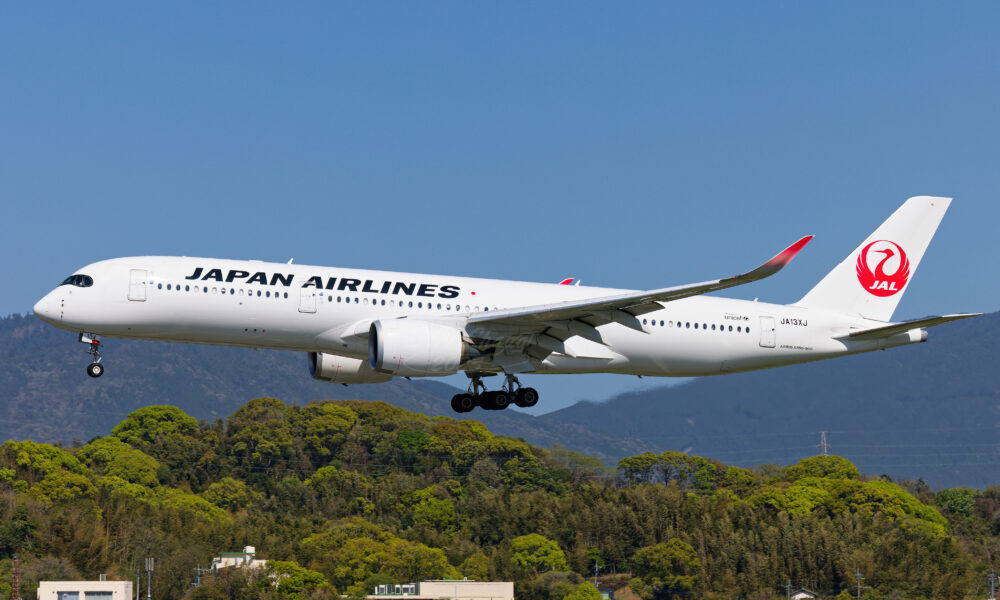
Japan Airlines was losing billions of yen when the 2009 global financial crisis hit, and like airlines around the world, it responded by cutting costs — including employee salaries. But CEO Haruka Nishimatsu made an unusual choice about how the leadership team would handle that reality: by sharing it directly, rather than staying insulated from it.
Nishimatsu reduced his own annual pay to about $90,000, a figure CBS News reported was far below the compensation packages typically associated with airline executives. He also commuted to work using Tokyo’s public bus network instead of a chauffeured vehicle, and regularly ate lunch with employees at the staff cafeteria rather than in executive dining spaces.
Rather than treating the pay cut as a personal sacrifice, Nishimatsu argued that leaders needed to experience the same economic reality their employees were facing. That philosophy extended to smaller details too — he opted for affordable business suits over luxury brands, and famously removed the walls around his office entirely, so staff from across the company could approach him directly without going through layers of management.
“If management is distant, up in the clouds, people just wait for orders,” Nishimatsu told CBS News, explaining that he wanted employees to think freely and feel comfortable raising issues without hesitation. His broader philosophy centred on accountability: when customers had a poor experience, he believed responsibility rested with management, not frontline staff alone — a principle that also drove his decision to share in the same salary reductions affecting his employees.
Japan Airlines later went through bankruptcy protection and significant restructuring before returning to profitability, but Nishimatsu’s leadership approach during the crisis remains one of the most cited examples of servant leadership in corporate history, drawing comparisons to executives like Southwest Airlines CEO Gary Kelly.


Leave a Reply