Grizzly bears cut salmon meals by 59%: the human noise behind it
A long-term British Columbia study found grizzly bears near human activity reduced their salmon intake by up to 59%, while a separate Alaska experiment showed bears and eagles flee almost 10 times more often at human voices than natural sound.
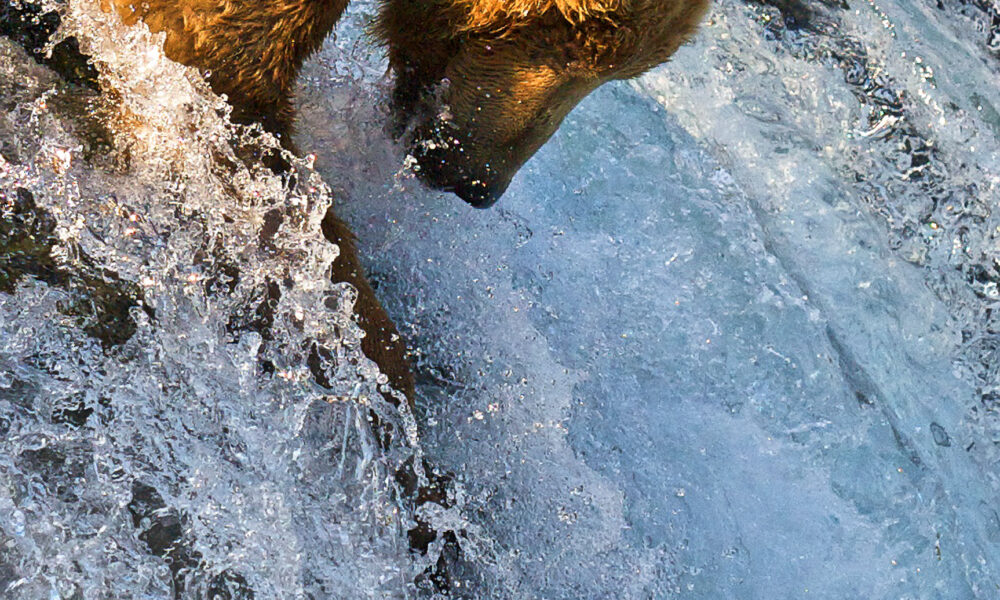
Grizzly bears living near human activity in British Columbia’s river valleys are eating dramatically less salmon than their counterparts in quieter areas, according to a long-term study led by Dr Megan Adams of the University of Victoria and the Raincoast Conservation Foundation.
Adams’ team analysed chemical clues in grizzly bear hair collected between 1995 and 2014 across 88,000 square kilometres, alongside data from 226 bears studied across 22 watersheds. They found that human structures and activity — mostly linked to industrial resource development — had a bigger effect on how much salmon bears ate than the actual number of fish available in the rivers. Female grizzlies in disturbed areas cut their salmon intake by as much as 59%.
‘Valley bottoms are very important travel corridors and feeding areas for bears, but these are also places where human disturbance is often concentrated,’ Adams said. ‘We need to consider how our activities, whether changing valley landscapes or reducing salmon numbers in the ocean, can affect the important relationship between bears and salmon.’
A separate experiment in Alaska’s Héen Latinee Experimental Forest near Juneau found a possible explanation for the pattern. Research ecologist Philip Manlick and his team set up cameras and speakers along riverbanks, playing recordings of off-highway vehicles, human voices, and natural seabird calls. Bears and bald eagles were almost 10 times more likely to flee at human voices than at natural sound, and shifted much of their feeding to nighttime at sites with frequent disturbance.
The reduced feeding has consequences beyond the bears themselves. Fewer streamside meals mean less nitrogen reaching the forest floor from leftover salmon carcasses and bear waste — a natural fertiliser that supports trees and plants along the riverbanks. Researchers also warn that reduced access to salmon can shrink litter sizes and lower grizzly population numbers over time.
In British Columbia’s Great Bear Rainforest, the Kitasoo Xai’xais Stewardship Authority is already using the research to shape forestry policy. Scientists from both studies are recommending larger protected zones around salmon streams and seasonal restrictions, such as closing wilderness roads during the peak autumn spawning season, to give bears room to feed without human interference.
Wikimedia Commons/by Dmitry Azovtsev


Leave a Reply