Scientists have a name for this: the ‘Lilliput effect’ in ocean life
Paleontologists call the pattern of marine animals shrinking after environmental crises the 'Lilliput effect,' and a new global study confirms warming makes it worse.
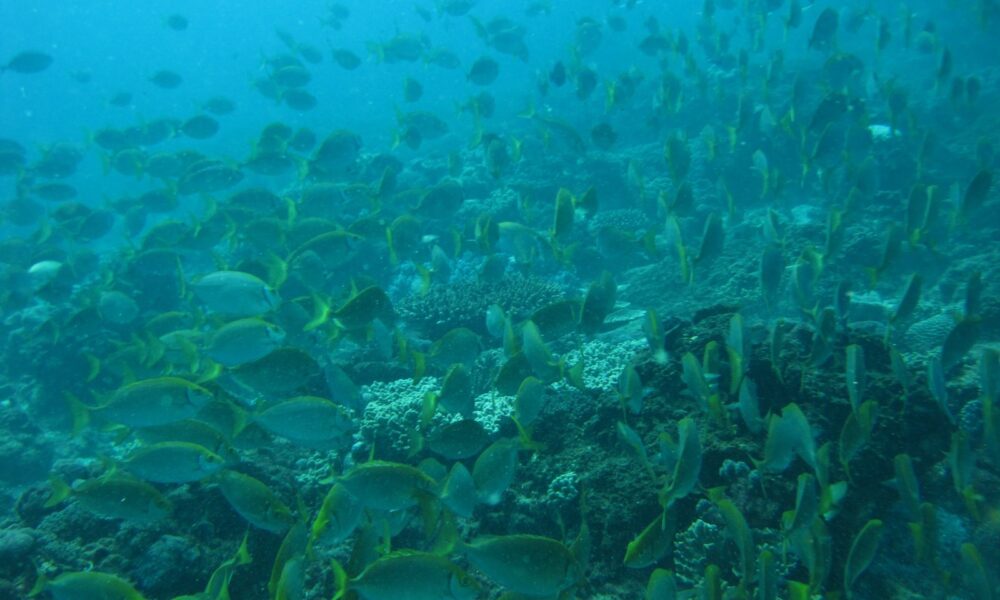
Paleontologists have had a name for this shrinking pattern for a while: the Lilliput effect, a nod to the tiny people from Gulliver’s Travels. The pattern tends to show up after most major mass extinctions in the fossil record, where surviving animals become noticeably smaller for a period before slowly rebounding once conditions stabilise.
Until now, most evidence for this pattern came from individual species studied at single sites over fairly short stretches of time, leaving room for doubt about whether it was a genuine biological rule or scattered coincidence. A new study, led by paleobiologist Paulina S Nätscher at Friedrich Alexander Universität Erlangen Nürnberg in Germany, combined records from oceans around the world, drawing on almost 9,000 recorded changes and over 1.6 million individual measurements, to settle that debate.
Cold-blooded sea creatures, including mussels, crustaceans and fish, consistently shrank whenever a crisis hit, regardless of whether it was triggered by warming, cooling or a drop in oxygen. But when researchers separated out warming-linked crises specifically, the shrinking effect was roughly twice as strong. Kenneth De Baets, a co-author on the study, confirmed these effects run about twice as strong during warming events compared to other types of environmental stress.
The bigger the temperature jump during an ancient warming event, the steeper the drop in body size tended to be, though the relationship wasn’t perfectly exact, suggesting falling oxygen levels in seawater were likely making the shrinking worse too.
Image: Wikimedia Commons/by Xplore Dive


Leave a Reply