Semaglutide shows heart benefits, but not the wellbeing boost patients might expect
Subcutaneous semaglutide showed the strongest cardiovascular benefits among weight-loss drugs studied, but no meaningful quality-of-life gains.
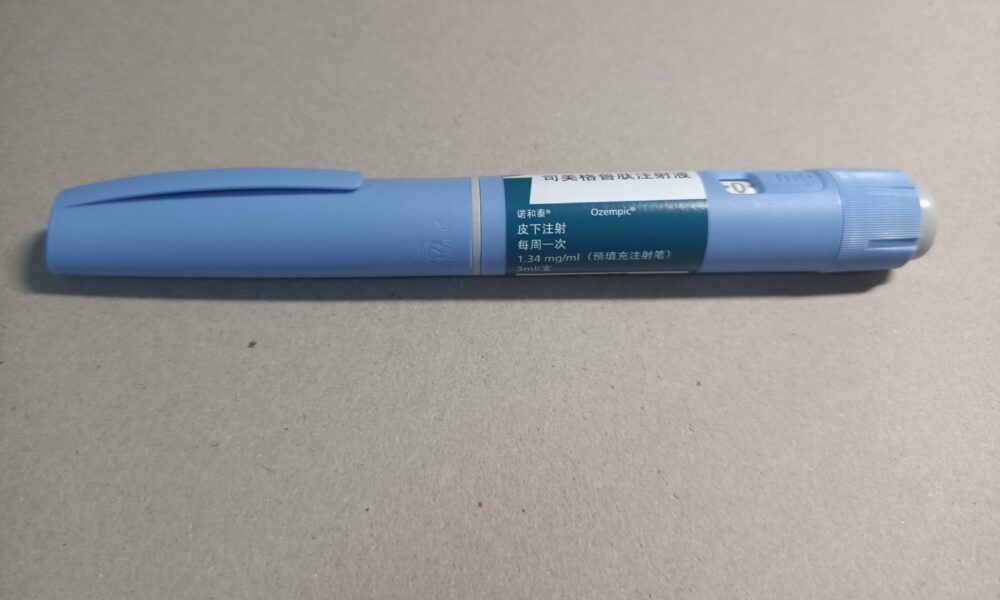
Subcutaneous semaglutide, the drug used in Ozempic and Wegovy, showed the strongest evidence among 19 studied medications for reducing death rates and major heart issues, according to a new analysis published in The BMJ. Yet despite that cardiovascular benefit, the drug — like most others studied — failed to deliver a meaningful boost in patients’ overall quality of life.
Researchers analysed 262 clinical trials involving roughly 100,000 participants, comparing standardised quality-of-life questionnaires between drug users and people making lifestyle changes alone. The comparison found no clinically meaningful difference in wellbeing scores between the groups, despite substantial weight loss achieved by several of the medications.
“Most agents do not improve quality of life meaningfully and few show cardiovascular benefits,” the study authors wrote, singling out semaglutide’s heart-related results as a rare exception among the drugs analysed.
The study also found that the medications delivering the largest weight loss, including tirzepatide and the unapproved CagriSema, carried the highest risk of side effects and treatment discontinuation, alongside a harmful loss of lean mass linked to increased risk of falls, fractures and early death.



Leave a Reply