Storms are reshaping Britain’s east coast faster than officials can plan for it
Intensifying storms are accelerating coastal erosion across eastern England, outpacing long-term planning in towns like Thorpeness.
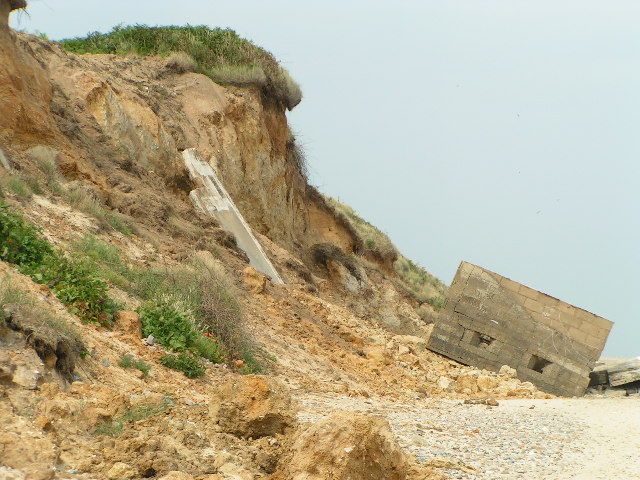
Coastal erosion is nothing new in Britain, but climate change is bringing added pressure to many low-lying and exposed regions, with intensifying storms reshaping the coastline faster than some local authorities can plan for it.
The eastern part of England, home to many coastal towns built on soft materials, is especially susceptible to erosion during periods of extreme weather, according to the British Geological Survey, which warns that many properties across Britain are threatened by coastal erosion in the coming years. UK coastlines are particularly vulnerable because many areas consist of soft cliffs and sediment that can be easily eroded by wave action.
In Thorpeness, Suffolk, part of the coastline was severely damaged last autumn and winter, prompting the East Suffolk Council to install emergency rock protection in the most vulnerable areas while officials develop a longer-term plan. That plan is expected to weigh the costs and environmental impacts of larger measures such as offshore breakwaters, which absorb wave energy before it reaches shore and can help sediment accumulate behind them to maintain the beach.
Thorpeness is just one example of a much bigger problem facing coastal towns across Britain — from cliffs in Yorkshire to communities in Norfolk and Suffolk making difficult decisions about protecting homes while working with natural coastal processes.



Leave a Reply