What NASA astronaut training reveals about handling failure under pressure
NASA's astronaut selection manager says the agency evaluates how candidates recover from setbacks rather than seeking flawless records.
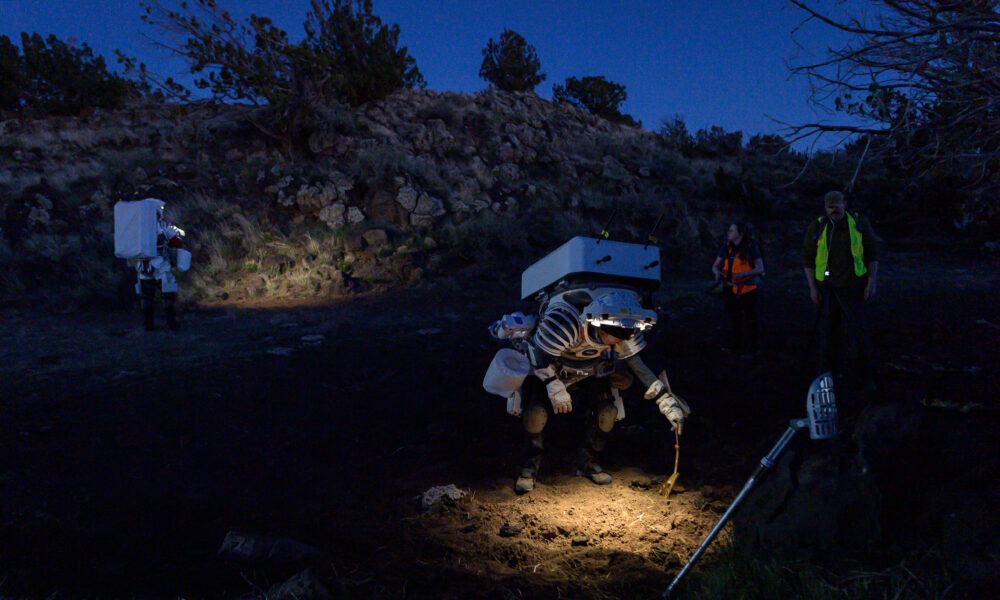
NASA’s message to aspiring astronauts is simple: becoming one isn’t about proving you’ve never failed. It’s about showing that when failure, uncertainty or unexpected obstacles arise — as they inevitably do in space — you can stay composed, learn quickly and continue moving forward.
Speaking on NASA’s Houston We Have a Podcast, astronaut selection manager April Jordan explained that astronauts rarely operate in predictable environments, making adaptability one of the most important characteristics the agency evaluates in its roughly two-year selection process. That process involves multiple rounds of reviews, interviews, medical evaluations and team exercises designed to understand applicants as complete individuals rather than simply reviewing their résumés.
In its last recruitment cycle, NASA received more than 12,000 applications before selecting just 10 astronaut candidates. While advanced degrees, technical expertise and flight experience remain important, the agency says the qualities that separate successful applicants often have less to do with perfection and more to do with how people respond when things don’t go according to plan.
Future Artemis missions and eventual expeditions to Mars will place astronauts in environments where communication delays, isolation and unexpected technical problems may require crews to solve challenges independently — reinforcing why NASA’s selection process looks well beyond academic credentials.



Leave a Reply