Bumblebees absorb up to seven times more toxic metals than honeybees, study finds
A new study has found bumblebees carry far higher concentrations of toxic metals than honeybees, even when both forage in the same fields.
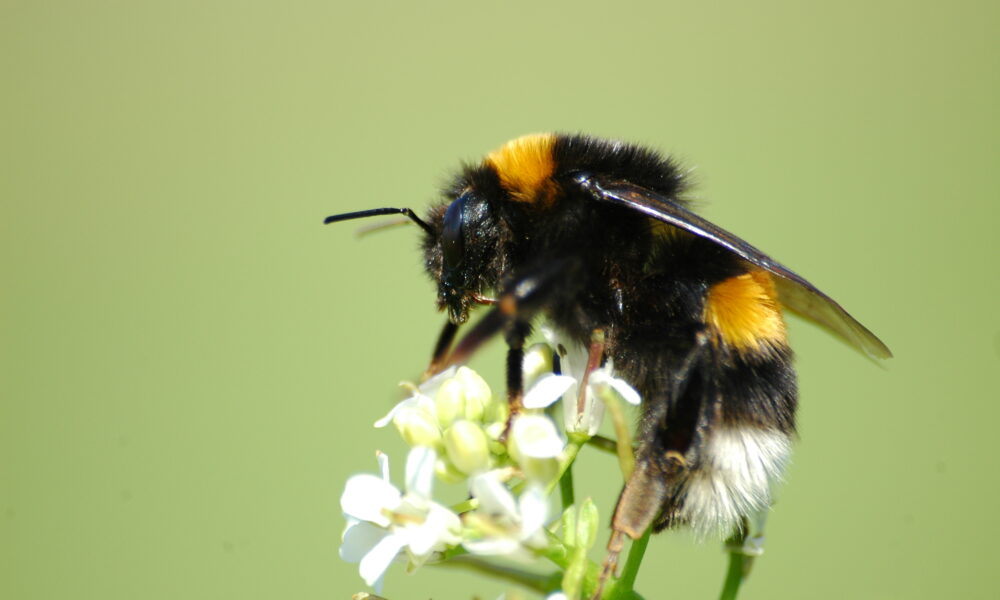
Bumblebees may be carrying a far heavier burden of toxic metals than honeybees, even when both species forage in the same countryside, according to a new study published in the journal Ecological Entomology titled ‘Eusocial bee species are exposed to different toxic element profiles despite foraging within the same landscape.’
Researchers found that pollen collected by bumblebees contained between two and seven times higher concentrations of several harmful metals, including arsenic, chromium, lead and tin, compared with pollen gathered by nearby honeybees. The study examined colonies of buff-tailed bumblebees and western honeybees placed within the same locations in Cambridgeshire, England, with some colonies positioned less than 50 metres apart.
Despite that proximity, the two species were not collecting the same levels of contamination. Bumblebee-collected pollen contained significantly higher concentrations of arsenic, chromium, cobalt, lead and tin, and adult bumblebees also carried higher metal loads within their bodies than honeybee workers.
The finding is significant because honeybees are commonly used by scientists as indicators of environmental pollution. If different bee species are exposed to contaminants in different ways, relying on honeybees alone could give an incomplete picture of the pollution risks faced by wild pollinators more broadly.



Leave a Reply