China aims to make 80% of its cities ‘sponge-like’ by 2030
China wants 80% of its urban areas to absorb and manage rainwater naturally by 2030 under its sponge city programme.
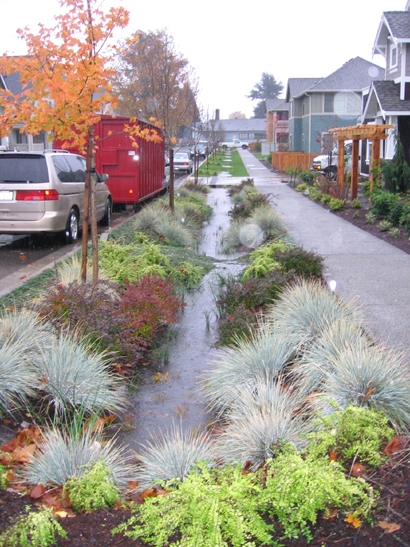
China aims to turn 80% of its urban areas “sponge-like” by 2030, according to a World Bank account of the country’s sponge city programme, an urban planning approach designed to address surface water flooding, reduce peak runoff, improve purification of urban runoff and strengthen water conservation.
The concept swaps traditional drainage systems built to channel rainwater away as quickly as possible for softer, more absorbent infrastructure designed to soak up water, store it and release it slowly over time. Chinese President Xi Jinping first put the idea forward as national policy in 2013, and it has since grown into one of the country’s most ambitious responses to cities increasingly prone to both severe flooding and persistent water shortages.
According to a review published in the journal Environmental Chemistry Letters, rapid urbanisation across China replaced natural, absorbent ground cover with impermeable concrete and asphalt at high speed, overwhelming conventional drainage systems during heavy rainfall even as the same cities struggled with water scarcity in drier periods.
China’s approach began with a formal pilot programme covering 30 selected cities in 2013, trialling integrated stormwater management techniques across varied conditions, from mountainous terrain in the southwest to fast-growing coastal megacities, before expanding well beyond the original pilot cities.



Leave a Reply