Gentle taming, not fear: how ancient India treated distressed elephants
Ancient Indian texts prescribed gentle taming methods and emotional recovery for distressed elephants, contrasting with assumptions about fear-based animal handling.
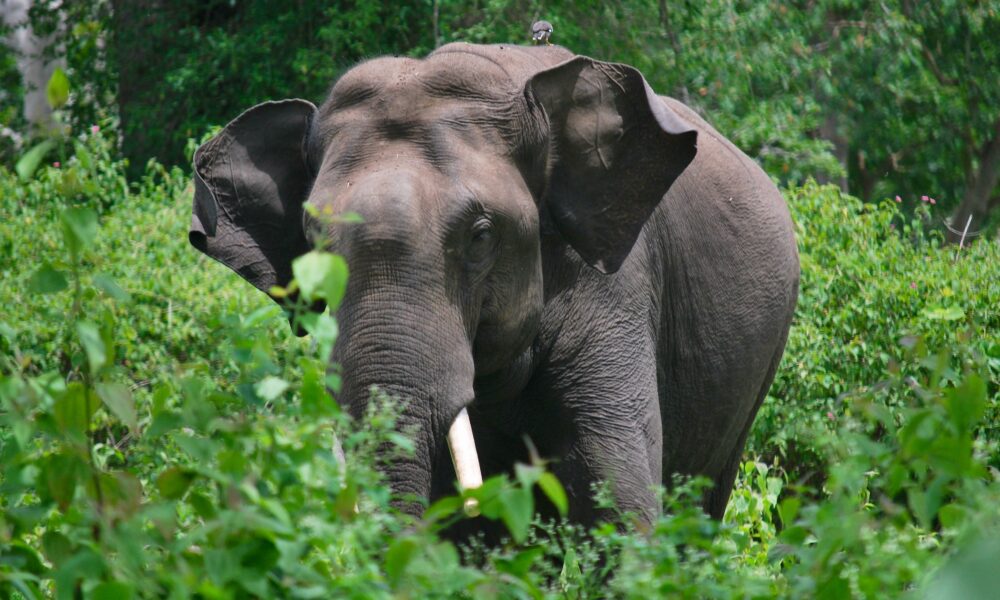
When wild elephants in ancient India showed signs of mental distress after capture or separation from their herds, handlers didn’t reach for fear or physical domination — they turned to pleasant sounds, gentle touches and familiar routines to calm the animal down, according to a new paper published in the Journal of Wildlife Science.
The research draws on ancient texts including the Gajashastra and Hastyayurveda, which describe elephants exhibiting behaviours such as refusing food, shedding tears or lethargy — interpreted by ancient scholars as clear signs of psychological distress rather than mere physical injury. The prescribed remedy was milder taming techniques focused on emotional recovery.
This approach challenges common assumptions that ancient animal management relied primarily on fear and physical control. Instead, the texts reveal a philosophy built on mutual respect, in which an elephant’s mental tranquillity was considered essential to its health and capacity for work — treating the animal as a conscious being rather than a mere resource.
The care routines outlined in these historical manuscripts included seasonal dietary adjustments, sensory stimulation and designated rest periods designed to mimic the natural rhythms of the wild — practices that echo what modern wildlife biologists now call environmental enrichment for captive animals.



Leave a Reply