The Fourth Finger Wasn’t a Random Choice for Wedding Rings — Here’s Why
The fourth finger became the standard spot for wedding rings through a mix of ancient belief, practicality, and centuries of cultural reinforcement.
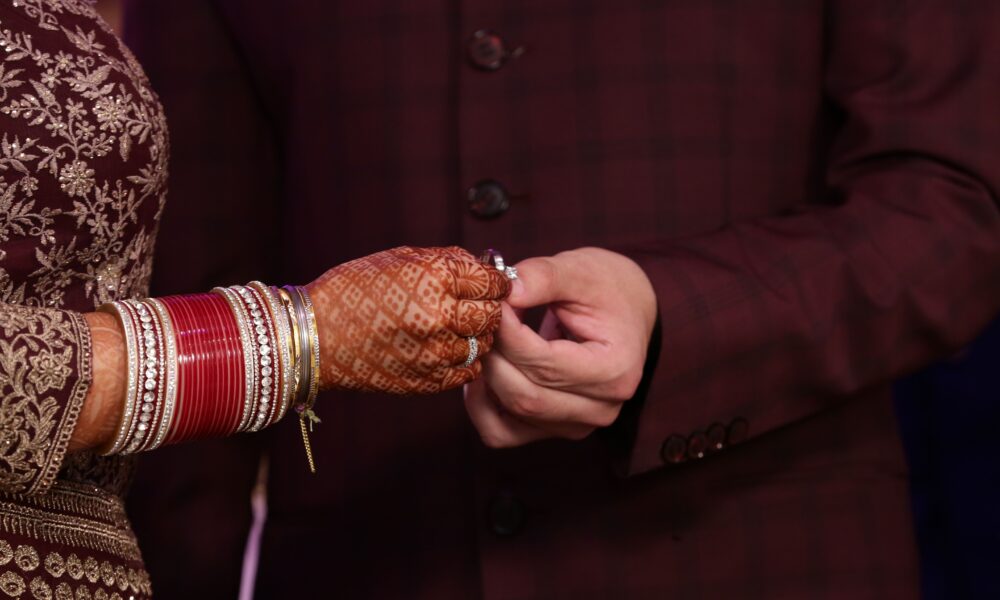
Wedding rings sit on the fourth finger of the left hand so routinely today that few people stop to ask why. The answer lies in a mix of ancient belief, practicality and centuries of cultural reinforcement that turned a symbolic choice into a lasting habit.
The most widely cited explanation traces back to ancient Egypt and later Roman thought, which held that the fourth finger of the left hand contained a vein running directly to the heart — the vena amoris, or ‘vein of love.’ Modern science has since shown no such vein exists, but the emotional logic behind the placement never really faded. A ring placed on the finger believed to lead to the heart made marriage’s symbol sit exactly where love was thought to live.
Practicality reinforced the choice. In many cultures, the fourth finger was considered the most graceful and least used for daily tasks — the thumb and index finger see more use, the middle finger is larger and more central, and the little finger is often too small to securely hold a traditional band. The fourth finger offered a workable balance of visibility and function for a ring meant to be worn every day.
Cultural and religious traditions shaped the details further. Many Western countries settled on the left hand as standard, and in some Christian traditions the ring’s unbroken circular shape came to represent eternal love and commitment. In other parts of the world, the right hand is used instead — a reminder that the gesture of wearing a ring matters more than the specific hand or finger.
What has kept the tradition alive is its constant visibility. A ring worn every day reinforces its own meaning repeatedly, turning the fourth finger into a quiet, easily recognised sign of marriage. Even as modern couples opt for plain bands, elaborate diamond rings, or no rings at all, the fourth finger still carries the same symbolic weight it did centuries ago.



Leave a Reply