Why Neanderthal DNA almost never shows up on the human X chromosome
Scientists have solved a long-standing puzzle about why Neanderthal ancestry is common across most of the human genome but rare on the X chromosome specifically.
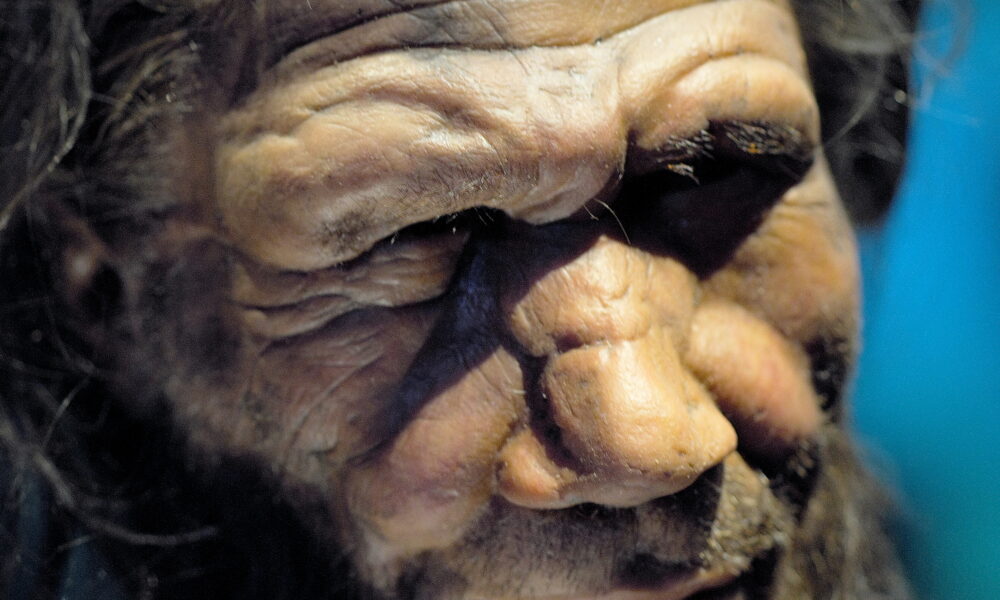
Modern humans of non-African ancestry have long been known to carry small traces of Neanderthal DNA, a legacy of interbreeding that occurred after early humans left Africa around 50,000 years ago. But one detail has puzzled scientists for years: while Neanderthal DNA shows up fairly often across most of the human genome, it is unusually scarce on the X chromosome.
A new study published in the journal Science offers an explanation. Researchers tracing the movement of ancient DNA in both directions found a mirror-image pattern: modern humans retain very little Neanderthal DNA on their X chromosome, while Neanderthal genomes carry a 62% relative excess of modern human ancestry on theirs.
Using analytical and computer models, the team concluded that the most likely explanation is a sex bias in ancient interbreeding, with pairings between male Neanderthals and female modern humans occurring more frequently than the reverse. That bias, playing out over thousands of generations, would leave exactly the kind of imbalance researchers observe in genomes today.
The authors are careful to note that this is a statistical pattern, not direct proof of prehistoric relationships or preferences, and that migration patterns and natural selection likely played a role as well. Supporting evidence from an unrelated site backs up part of the picture: a study of Neanderthal remains from El Sidrón Cave in Spain found that males shared closely related maternal lineages while females carried more varied mitochondrial DNA, suggesting women moved between communities more often than men did.
Researchers say the findings add another piece to the story of human evolution, though they stop short of calling it a final answer. As ancient DNA sequencing keeps improving, they expect future studies to shed more light on how the two groups met and mixed over tens of thousands of years.



Leave a Reply