Why New Zealand sees forestry waste as a $500 billion-style opportunity in disguise
New Zealand's Ministry for Primary Industries says forestry residues could be turned into biocrude oil, liquid biofuels and high-value chemicals.
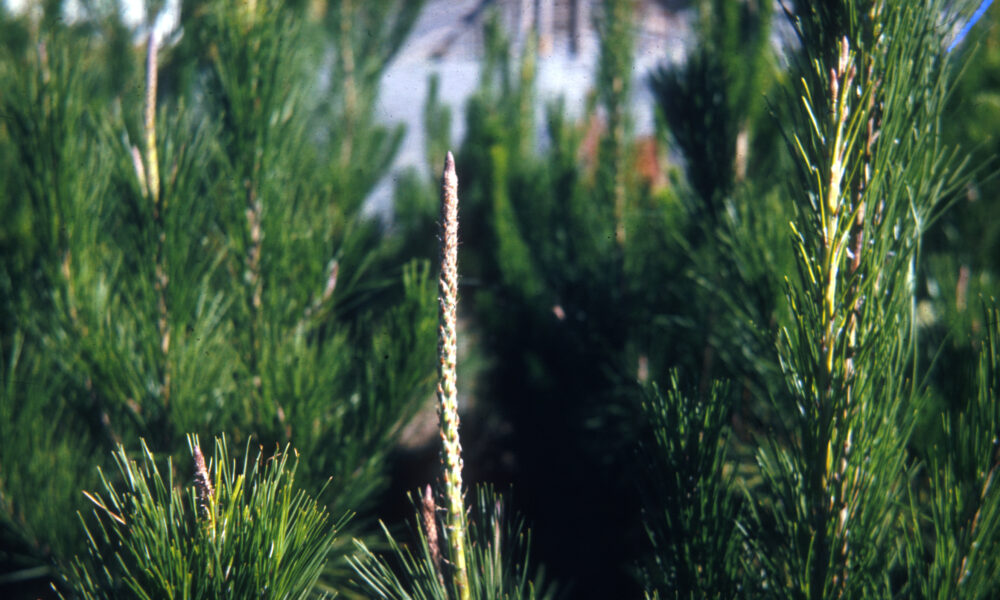
According to New Zealand’s Ministry for Primary Industries, the country’s forestry sector has significant potential to generate higher-value wood products, bioenergy and bioproducts by putting currently unused residues to work — a policy direction now taking shape in the small Bay of Plenty village of Kaingaroa.
Wood residues could be used to make biocrude oil, liquid biofuels and solid fuels, the ministry says, while New Zealand’s Ministry for the Environment notes that wood-based biomaterials, biochemicals and bioenergy have the potential to reduce reliance on fossil-based products while increasing the value of forest-based products overall.
Kaingaroa, created by and long dependent on forestry, sits near one of the largest plantation forests in the Southern Hemisphere. A proposed integrated wood-processing hub there, led by NZ Bio Forestry, would combine processing, energy production and biorefining in one location, converting timber into engineered wood products, chemicals, industrial products and renewable fuels such as sustainable aviation fuel.
Government policy papers have called for a broader shift toward higher-value wood products across the industry, and supporters say a successful Kaingaroa project could demonstrate how forestry regions can move from exporting raw materials toward high-tech manufacturing — though attracting the substantial upfront investment required remains the biggest hurdle.



Leave a Reply